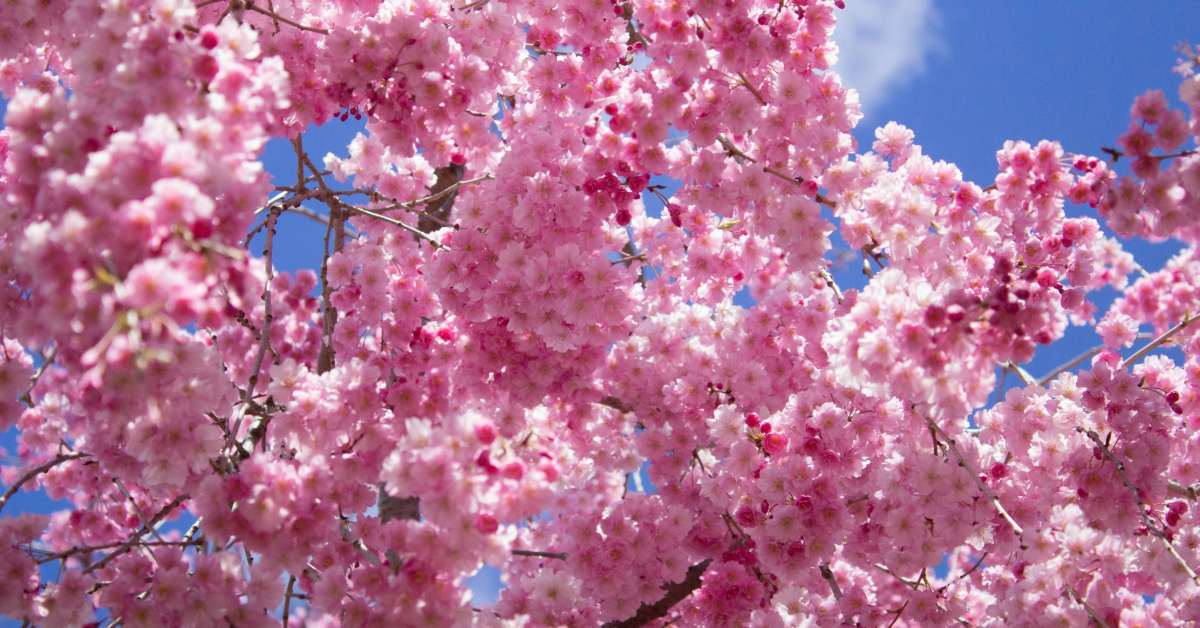
In the early morning light, when mist clings to the emerald slopes of the Andes and the first birds begin their chorus, Colombia feels like a place still discovering itself. From Caribbean beaches to high-altitude Andean mountains, from rainforest rivers to colonial cities washed in colour, the country offers a rare geographic and cultural diversity packed into a single destination.
It is little surprise that in 2025 Colombia became the most visited country in Latin America—a milestone that reflects not only curiosity from abroad, but a nation’s remarkable transformation.
For decades, Colombia’s story abroad was overshadowed by conflict. Today, that narrative has shifted. Travelers arrive not out of caution, but out of fascination—drawn by landscapes that feel almost cinematic and a culture defined by warmth, resilience, and rhythm.
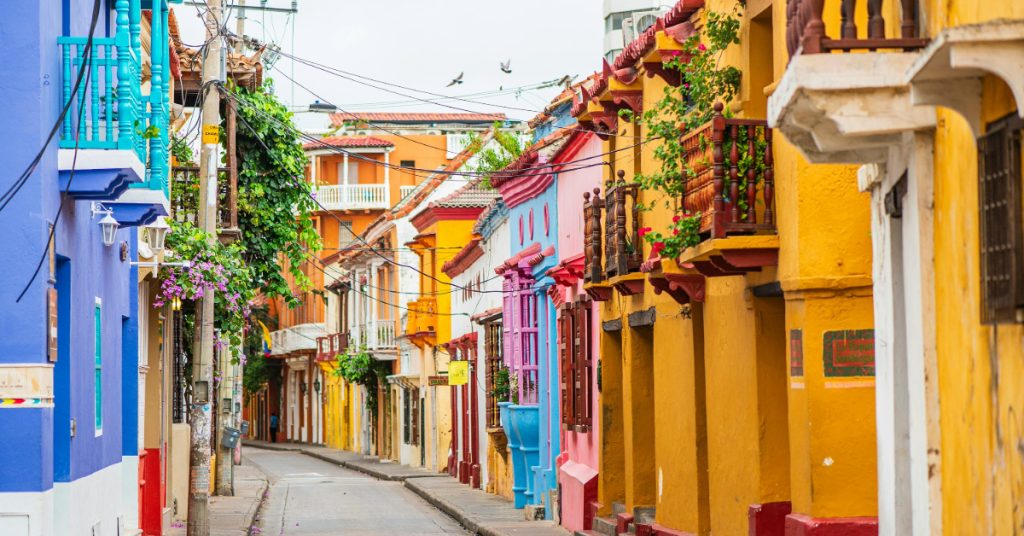
Few places capture this sense of rediscovery like Cartagena, where pastel facades glow beneath bougainvillea and the Caribbean breeze carries the faint echo of street musicians. Within the city’s colonial walls, history unfolds in layers: Spanish fortifications, African heritage, and centuries of maritime trade. By evening, the plazas fill with dancers and travelers, and the city becomes less a monument to the past than a living celebration of it.
Yet Colombia’s appeal stretches far beyond its famous coastal jewel
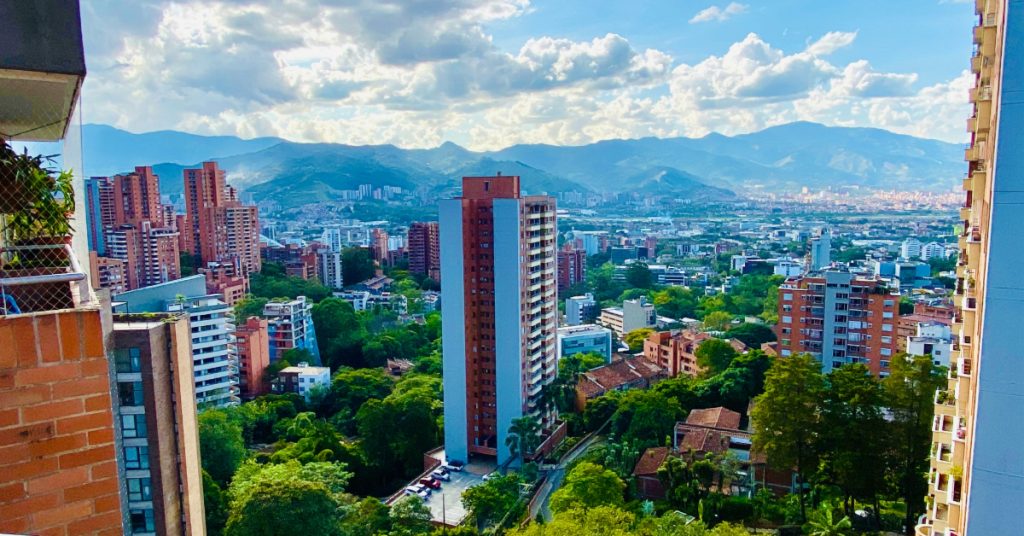
High in the Andes lies Medellín, once known internationally for other reasons, now widely admired as one of Latin America’s most innovative cities. Cable cars glide over steep neighborhoods, connecting hillside communities to the urban side, while parks and libraries have reshaped public life. Travelers come to see transformation firsthand—and often leave inspired by the optimism and charm that now defines the city.
Then there is Bogotá, the capital perched 2,640 meters above sea level. Here, centuries-old churches stand beside contemporary galleries and world-class restaurants. In the historic district of La Candelaria, cobbled streets lead to the Gold Museum, home to the largest collection of pre-Hispanic gold artifacts on Earth. Each piece tells a story of indigenous craftsmanship and spiritual belief, reminding visitors that Colombia’s cultural heritage stretches back long before colonial times.
But to understand Colombia’s rising popularity, one must leave the cities
Beyond the Andes lies the immense green expanse of the Amazon Rainforest, where pink river dolphins glide through tea-colored waters and howler monkeys announce the dawn. To the north, the jagged peaks of Sierra Nevada de Santa Marta rise abruptly from tropical coastline to snow-capped summits—one of the highest coastal mountain ranges in the world. Hidden in its dense jungle is Ciudad Perdida, the “Lost City,” an ancient stone settlement built centuries before Machu Picchu.
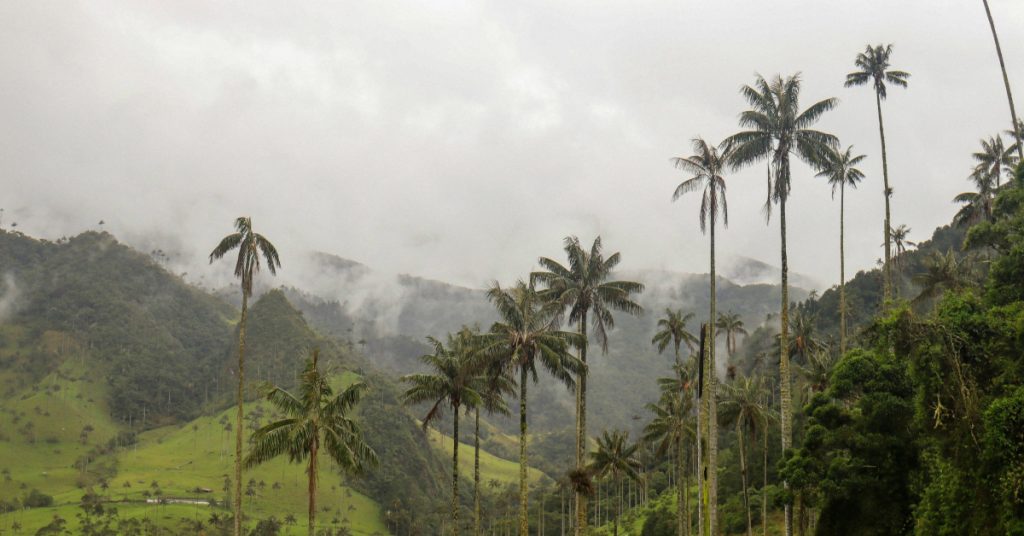
For travelers seeking wilderness, Colombia delivers experiences that feel both remote and authentic. In the eastern plains, known as Los Llanos, cowboys herd cattle across golden savannas where capybaras and anacondas thrive. In the Coffee Cultural Landscape—a UNESCO World Heritage region—rolling hills are patterned with coffee farms where beans are still harvested by hand.
Food, too, has become part of the journey. In markets across the country, travelers encounter fruits rarely seen outside the tropics: lulo, guanábana, borojó. Coffee, of course, remains the national pride. Grown in volcanic soil and mountain mist, Colombian beans are known for their balance and complexity—qualities that mirror the country itself.
The surge in tourism during 2025 reflects several factors: improved infrastructure, growing international flight routes, and a renewed emphasis on sustainable travel. Ecotourism initiatives have expanded in national parks and indigenous territories, allowing visitors to experience fragile ecosystems while supporting local communities.

Yet statistics alone cannot explain Colombia’s appeal
Visitors often speak of something harder to measure: the generosity of its people. Conversations begin easily—on buses climbing mountain roads, in cafés overlooking town squares, or during long hikes through cloud forests. Travelers arrive curious; they leave with friendships.
Colombia’s greatest transformation may not be its reputation abroad, but the confidence of the country itself. There is a sense here that the world is finally paying attention to what Colombians have long known—that their homeland is one of the most beautiful, vibrant places on Earth. And in 2025, the world came to see it.