Photo by Jen Dries on Unsplash.
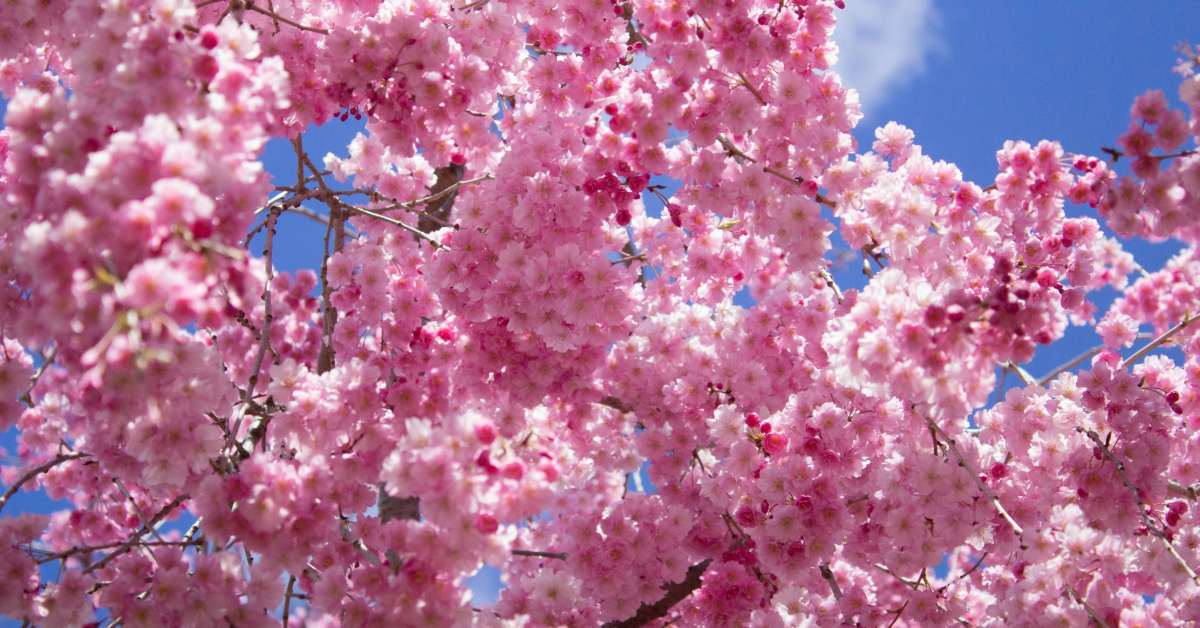
Each spring, something extraordinary happens across the Northern Hemisphere. For a brief moment—sometimes no more than a week—streets, temples, lakeshores, and city parks dissolve into clouds of pale pink and white. Cherry blossoms emerge almost overnight, transforming familiar landscapes into something ephemeral and dreamlike.
In Japan, the ritual of hanami, or flower viewing, has been practiced for centuries. Families and friends gather beneath flowering branches to celebrate the arrival of spring and the fleeting beauty of the blossoms themselves. But today the phenomenon has become global. From ancient temples in Kyoto to the monuments of Washington, D.C., cherry blossom season now draws travelers wishing to witness one of nature’s most delicate spectacles.
Timing, however, is everything. Cherry blossoms bloom for only a short period each spring, and the precise moment depends on climate, weather, and the type of tree. Here are some of the world’s most spectacular places to experience them this spring—along with the varieties you’ll see and exactly where to find them.

Kyoto, Japan
In spring, the historic streets of Kyoto soften beneath a haze of pale pink blossoms. The city—long considered Japan’s cultural heart—offers perhaps the most atmospheric cherry blossom experience anywhere in the world. Petals drift across temple steps, gather along canals, and frame centuries-old wooden teahouses.
Most of Kyoto’s blooms come from Somei Yoshino (Prunus × yedoensis), Japan’s most iconic cherry variety, whose blossoms appear almost white from a distance. Another beloved tree is the Shidarezakura, or weeping cherry, whose cascading branches spill downward like a floral waterfall.
Best time to visit: Late March to early April, typically around March 30 to April 8.
Where to see them
- Maruyama Park — Kyoto’s most famous cherry tree, a towering weeping Shidarezakura, glows beneath lanterns during evening illumination.
- Philosopher’s Path — A canal-side walkway lined with hundreds of Somei Yoshino trees forming a tunnel of blossoms.
- Kiyomizu-dera — A historic temple where blossoms frame sweeping views over the city.
Travelers often track the bloom using the annual Japan Cherry Blossom Forecast, which charts the northward advance of sakura season across the country.
Hong Kong
Spring arrives earlier in Hong Kong, where cherry blossoms begin appearing as early as February. Though the city is better known for its dense skyline and neon glow, pockets of pink flowers bloom quietly in parks and green spaces across the territory.
The most common variety here is Taiwan cherry (Prunus campanulata), recognizable for its vivid pink, bell-shaped blossoms. Visitors may also find Fuji cherry and Yoshino cherry trees, which bloom slightly later in the season.
Best time to visit: Mid-February through mid-March.
Where to see them
- Tai Po Waterfront Park — One of the city’s largest collections of Fuji and Yoshino cherry trees.
- Hong Kong Velodrome Park — Rows of Taiwanese cherry trees create a vibrant pink canopy in early spring.
- Hong Kong International Airport Cherry Blossom Garden — A surprisingly tranquil blossom garden near the airport.
Beijing, China
In early spring, the still-cool air of Beijing begins to soften, and parks throughout the Chinese capital erupt with blossoms. Nowhere is the display more dramatic than Yuyuantan Park, home to more than 3,000 cherry trees.
These include dozens of varieties, from Somei Yoshino to Japanese mountain cherry (Prunus serrulata). Their staggered bloom times extend the viewing season, turning the park into a shifting landscape of color.
Best time to visit: Late March to early April.
Each year the park hosts the Yuyuantan Park Cherry Blossom Cultural Festival, when walkways fill with photographers, picnickers, and families celebrating the arrival of spring.
Chengdu, China
The easygoing city of Chengdu, known for its tea houses and giant pandas, also offers a quieter cherry blossom season. Here, wide parklands and historic gardens bloom with Yoshino cherry and Japanese flowering cherry (Prunus serrulata) varieties.
Unlike the crowded blossom hotspots elsewhere, Chengdu’s displays often feel serene—petals falling silently onto lakes and temple courtyards.
Best time to visit: Mid-March through early April.
Where to see them
- Qinglong Lake Wetland Park — Vast lakeside trails lined with flowering cherry trees.
- Chengdu Botanical Garden — A curated collection of ornamental cherries and spring flowers.
- Wuhou Shrine — Blossoms soften the ancient red walls of this historic temple complex.
Vancouver, Canada
Few travelers expect to find one of the world’s largest cherry blossom displays in Vancouver. Yet more than 40,000 cherry trees bloom across the city every spring, a legacy of gifts from Japan in the early twentieth century.
Among the most common varieties is Akebono cherry (Prunus × yedoensis ‘Akebono’), whose pale pink flowers open along residential streets. Later in the season, Kanzan cherry trees erupt in dense clusters of vibrant double blossoms.
Best time to visit: Late March through mid-April.
Where to see them
- Queen Elizabeth Park — A hilltop garden offering panoramic views framed by blossoms.
- Stanley Park — Coastal trails lined with flowering trees overlooking the harbor.
- VanDusen Botanical Garden — A diverse collection of ornamental cherry varieties.
Each spring the city celebrates the blooms with the Vancouver Cherry Blossom Festival, which includes guided blossom walks and open-air picnics.
Washington, D.C., USA
Few blossom scenes are as iconic as the pale pink canopy surrounding the Tidal Basin in Washington, D.C.. More than a century ago, Japan gifted thousands of cherry trees to the United States as a symbol of friendship. Today those trees frame views of the Jefferson Memorial and the city’s grand monuments.
The dominant variety here is Somei Yoshino, whose delicate flowers bloom in soft clusters along the water’s edge.
Best time to visit: Late March to early April, with peak bloom often falling around March 29 to April 1.
The city marks the season with the National Cherry Blossom Festival, a multi-week celebration featuring parades, kite festivals, and cultural events.
Berlin, Germany
Cherry blossoms in Berlin carry a deeper historical meaning. After the fall of the Berlin Wall, Japanese donors funded the planting of thousands of cherry trees across the former border. The blossoms became a living symbol of reunification.
Today, avenues of Kanzan cherry (Prunus serrulata ‘Kanzan’) and Yoshino cherry burst into color each April.
Best time to visit: Early to mid-April.
Where to see them
- TV-Asahi-Kirschblütenallee — A long corridor of cherry trees planted along the former Berlin Wall.
- Gärten der Welt — A landscaped park featuring Japanese-style gardens and blossom groves.
Each spring the city celebrates with the Kirschblütenfest Hanami, where visitors picnic beneath the flowering trees.
The Season Is Not Meant to Last Long
Cherry blossoms are famous not just for their beauty but for their brevity. Most blooms last little more than a week before wind and rain scatter the petals.
For travelers lucky enough to witness them at their peak, the moment can feel almost suspended in time: petals drifting across water, branches glowing in the late afternoon sun, entire landscapes softened by a haze of pink.
And then, almost as quickly as they arrived, the blossoms are gone—leaving behind only the memory of spring’s most delicate performance.
About The Author